Home

//

Blog

//

Current Post

Food Production Systems - Presage Analytics

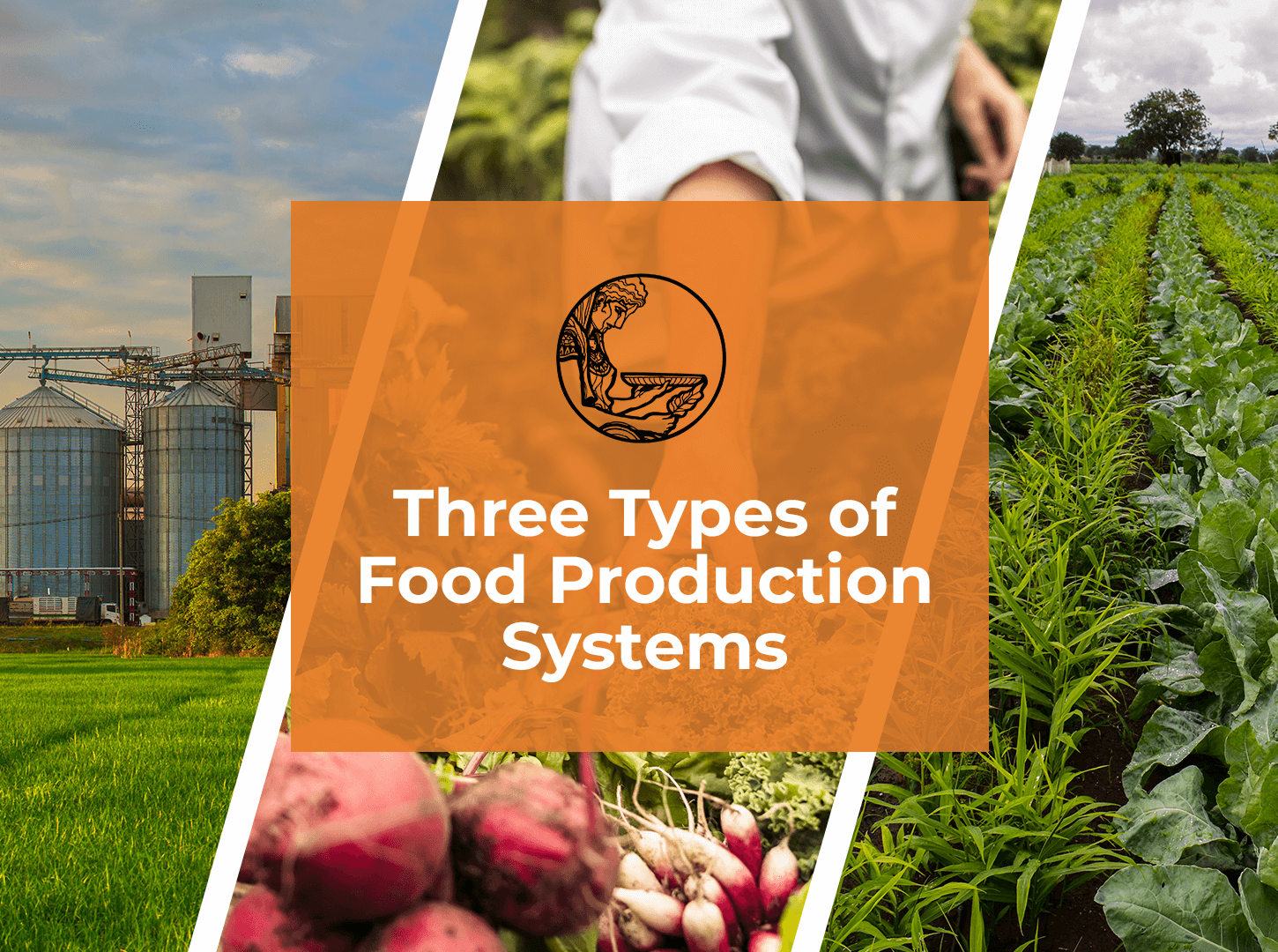
Three Types of Food Production Systems

As regulations tighten and recalls become even more costly, it’s important to understand food production systems and how they operate. Knowing the differences can help your company mantain the safety and quality of your product.

What is a Food Production System?

A food production system refers to the interlinked processes involved in growing, processing, packing, distributed, and monitoring food products from farm to consumer. These systems extend beyond the physical operations to include data collection, quality assurance, food safety controls, food traceability, and regulatory compliance.

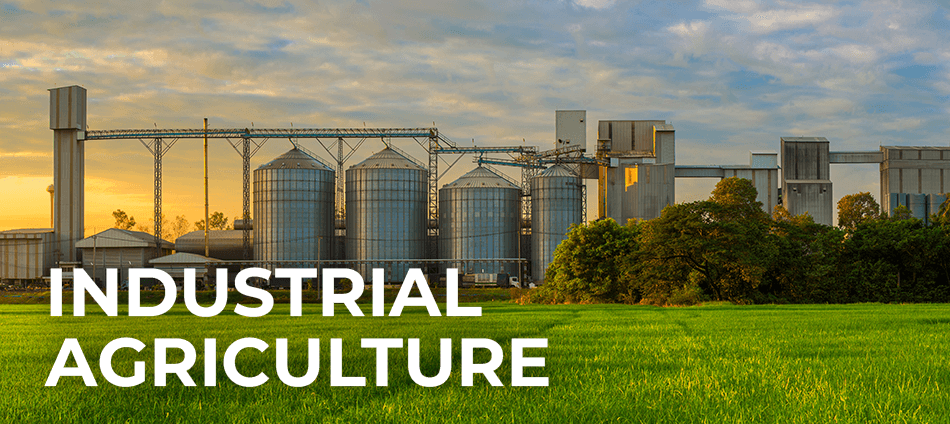
Food Production Systems - Industrial Agriculture

Industrial Agriculture Food Production System

Industrial agriculture is the most widely used food production system in the world. This type of agriculture focuses on large-scale production, using advanced technology, chemicals, and heavy machinery. The priority is to maximize efficiency and profitability, which can come at the cost of environmental and social concerns.

Key Characteristics

  • Maximizes crop and livestock yields
  • Advanced technology and mechanization streamline farming operations
  • Large-scale operations benefit from economies of scale
  • Investment in research and development drives technological advancements (GMOs, etc)
  • Stable and consistent food supply

Modern Challenges for Industrial Agriculture

  • Complex supply chains increase recall scope
  • Allergen cross-contact risk at scale
  • Regulatory scrutiny and documentation gaps
  • Need for real-time quality data
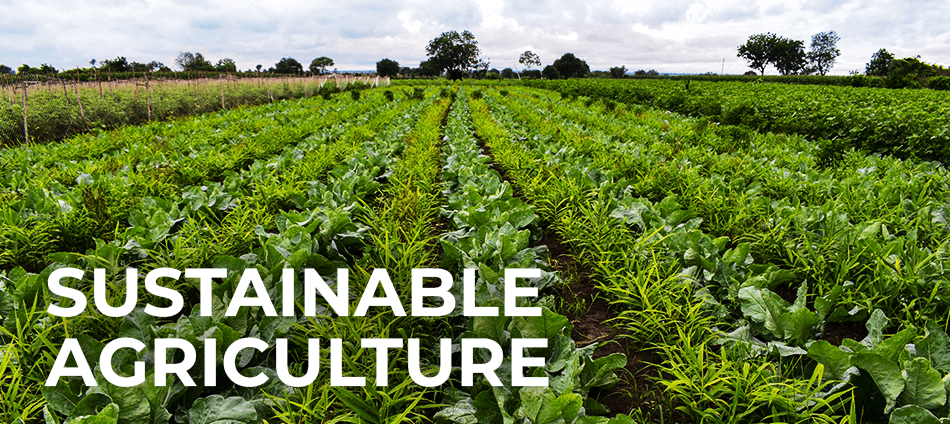
Food Production Systems - Sustainable Agriculture

Sustainable Agriculture Food Production System

Sustainable agriculture is a food production system that seeks to balance environmental stewardship, social responsibility, and economic viability. It prioritizes regenerative practices and works in harmony with nature to produce high-quality food while preserving the land and water resources for future generations.

Key Characteristics

  • Protect and enhance natural resources
  • Techniques like crop rotation, cover cropping, and reduced tillage maintain and improve soil fertility and structure
  • Help protect water resources and reduce the environmental impact of farming.
  • Supports biodiversity, increasing ecosystem resilience and reducing dependency on chemical inputs
  • Can offer stable and profitable farming operations.
  • Considers the well-being of workers and communities, promoting fair labor practices and safe food production

Modern Challenges for Sustainable Agriculture

  • Verifying sustainability claims
  • Inconsistent supplier documentation
  • Balancing small-batch production with compliance
  • Traceability across mixed sourcing models
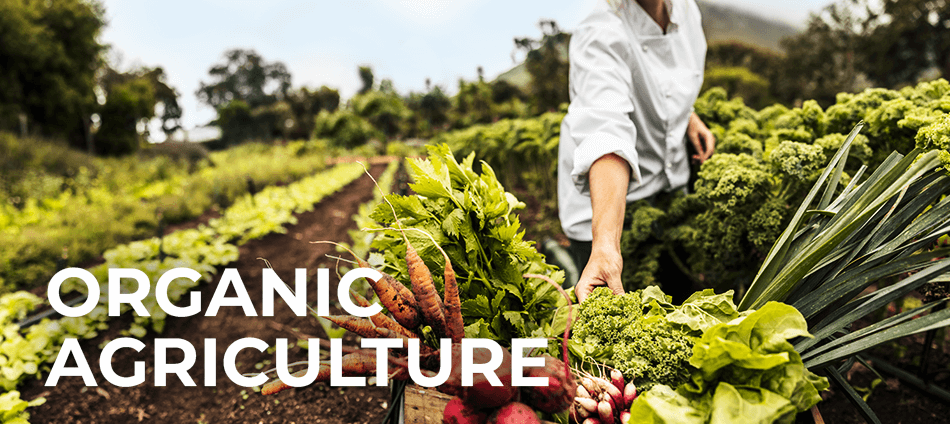
Food Production Systems - Organic Agriculture

Organic Agriculture Food Production System

Organic agriculture is a type of food production system that avoids synthetic fertilizers, pesticides, and genetically modified organisms. It focuses on soil health and the well-being of both the crops and the local ecosystem.

Key Characteristics

  • Avoids synthetic fertilizers, pesticides, and herbicides
  • Emphasizes building and maintaining healthy soil through composting, crop rotation, and organic amendments
  • Support a greater diversity of plants and animals
  • Focuses on long-term environmental health and resource conservation
  • Perceived as healthier and more environmentally friendly, leading to strong consumer demand and premium market prices.
  • Prioritizes humane treatment of animals, with access to pasture and natural diets
  • Often results in lower greenhouse gas emissions

Modern Challenges for Organic Agriculture

  • Certification documentation
  • Audit readiness
  • Preventing contamination that could jeopardize organic status
  • Increased recall risk due to limited processing controls

How Food Production Systems Differ in Food Safety & Quality Risk

While industrial, sustainable, and organic agriculture differ in scale and practices, each food production system presents unique safety, quality management, and compliance challenges.

Traceability Complexity

  • Industrial Agriculture: Often involves long, multi-tier supply chains that require detailed tracking across facilities, suppliers, and production lines
  • Sustainable Agriculture: May involve fewer suppliers, but often rely on diverse sourcing and small-batch production, which still requires precise ingredient and lot tracking
  • Organic Agriculture: Very similar to Sustainable Agriculture – may involve fewer suppliers, but often rely on diverse sourcing and small-batch production, which still requires precise ingredient and lot tracking

Recall Exposure

  • Industrial Agriculture: Face broad recall exposure due to high production volumes and wide distribution
  • Sustainable Agriculture: Often have smaller recall scopes, but recalls can be especially damaging to brand trust and certification status
  • Organic Agriculture: Again, similar to Sustainable Agriculture – often have smaller recall scopes, but recalls can be especially damaging to brand trust and certification status

Documentation Needs

  • Industrial Agriculture: Extensive production and quality records
  • Sustainable Agriculture: Often require additional documentation to support sourcing claims, environmental practices, and certifications
  • Organic Agriculture: Similar to Sustainable Agriculture – often require additional documentation to support sourcing claims, environmental practices, and certifications

Audit Frequency

  • Industrial Agriculture: Regularly undergo internal and external audits tied to regulatory compliance and customer requirements
  • Sustainable Agriculture: May face additional audits related to certifications, supplier verification, and process controls
  • Organic Agriculture: Similar to Sustainable Agriculture – may face additional audits related to certifications, supplier verification, and process controls
Presage Analytics Demo

See How Presage Can Help

With so many different food production systems, the right food safety software plays a critical role in helping organizations track and improve their operations. See how Presage Analytics helps food producers across all production systems manage traceability, quality, and compliance with confidence. Schedule a demo with the Presage sales team to learn more!